Category: Stress Relief

  • New Year, New You? “Ways to Build New Habits and Make Them Stick”

    Got a New Year’s Resolution? Or perhaps more than one?
    Here are some suggestive ways to build new habits and make them stick. 

    Good habits make all the difference in life. When you’ve created good habits you do the right thing, without even having to think about it. That is, you put the behavior that will allow you to achieve your goals on automatic pilot.
    Have some good habits in mind you would like to adopt? Here are some tips to build those habits and make them stick.

    Believe that You Can Build New Habits.
    The first step in building a new habit, or habits, is believing you can. You may have tried and failed several times in the past to create good habits such as exercising, becoming an early riser, and adopting a meditation practice. However, stop telling yourself it is impossible, especially by basing it on past failures. It is not that you don’t have the ability to build new habits, but that you’ve most likely approached the situation in a way that may not work for you and your day to day routine.
    Although it’s true that some people are naturally better at creating new habits than others, by following the right strategies everyone is capable of building habits and making them stick, yes…everyone.

    Start Tiny.
    Most of us get really ambitious when it comes to creating new habits. “A New Year a New Me” is the most popular phrase used when the month of January is soon approaching. Many will use the refreshment of a new year to attempt to achieve new goals.
    For example, a lot of people who haven’t exercised in years decide that they’re going to start walking on the treadmill for forty minutes, five days a week. However, this is setting the bar too high, that failure is almost guaranteed, not to mention this goal is physically unsafe. Certified personal trainers are educated on this, and on the process of slowly introducing new life habits and new exercise routines in order to make the goals achievable and safe to attempt.
    A much better strategy is to set the bar so low, that you practically trip over it. Make the decision to start walking on the treadmill for one minute a day. After a while you can raise the bar to two minutes a day, then three minutes, then four, and so on. It’ll take you a while to build up to forty minutes a day, but you’ll get there. For those who prefer the outdoors or a treadmill is not accessible to you, it is suggested to take a short five minute walk outside or a few small strolls a day and build up the time spent on these strolls after a week’s time.

    Be Specific.
    Almost everyone wants to adopt healthy eating habits. However, “healthy eating habits” is so general and ambiguous, that it’s unlikely to result in any concrete action being taken. Instead, you can decide that you’re going to start taking the specific actions. As an example, you may want to purchase healthier items while shopping, such as:
    Buying whole-grain pasta or whole grain bread.
    Buying 2% milk or a dairy alternative.
    Enjoy more fiber and fresh fruit by prepackaging healthier choices and take them with you when you start your day. Have trail mix as a mid-afternoon snack instead of getting a chocolate bar from the vending machine.

    Tailor this list to match your goals.
    The more specific you are as to what you’re going to do, the more likely it is that you’ll do it. And the more often you do it, the more likely it is to turn into a habit.

    Reduce Barriers. Sometimes there’s an action that we want to start taking on a regular basis, but when we think of taking the action, one or more barriers get in the way. For example, let’s say that you want to start riding your bike every morning in order to lose a few pounds. However, you store your bike in the garage and in order to get to it you have to move a few boxes out of the way.
    Having to move those boxes is a barrier. Even if it doesn’t take more than one or two minutes to get your bike out from behind the boxes, that’s enough of a barrier to reduce the likelihood that you’ll go out for a bike ride. Therefore, you need to find a way to make your bike as easy to reach as possible. Or perhaps the tires need to be serviced or the chain is loose, get the bike repaired!
    The fewer barriers that exist between you and your bike, the more likely it is that you’ll be able to turn bike riding into a habit.

    Tie It To a Trigger.
    Tie the action that you’re trying to turn into a habit to something that you’re already doing on a regular basis. For example, if you want to start following along with an exercise DVD five days a week, tie it to some action that you do on a daily basis, such as walking the kids to school. Do the following:
    As soon as you walk into the house after dropping the kids off–which is the trigger–, press “play” on the DVD player and get started, even if you move along to the moves on the screen only for a portion of the video. Slowly build up to the entire workout. Take as many breaks as needed, be sure to hydrate and find alternative positions if they are uncomfortable or could affect a past injury.
    Every day follow up the trigger with the new habit, without fail. This will create a bond between the trigger and the new habit.
    Sooner than you think, you won’t be able to do one without immediately afterwards doing the other.

    Reward Yourself.
    In his book, “The Power of Habit”, Charles Duhigg explains that there’s something called “the habit loop”. That is, every habit can be broken down into three components:
    The cue: The trigger to start the behavior that you want to turn into a habit.
    A routine: The actual behavior that you’re trying to turn into a habit.
    A reward: When you complete the action that you’re trying to automate, reward yourself.

    Duhigg explains that giving yourself a reward after performing the action that you’re trying to automate reinforces the habit loop in your brain, so the habit is more likely to stick. He goes on to say that research shows that the best way to get yourself to start exercising is to reward yourself with a piece of chocolate once you’re done. You can replace this with a chocolate protein shake or glass of chocolate almond milk or after a few weeks of committing to at least half of your routine, purchase that shirt you have been eyeing at the store or after a month book yourself a massage. The point is that the reward does not always have to be in the form of food.
    Eventually your brain will enjoy exercise for exercise’s sake. However, at first you have to trick your brain into creating the habit loop—that is, trick it to develop the neurological patterns of a habit– by giving yourself a reward after meeting a certain goal.

    Forgive Yourself If You Fall Off the Wagon.
    Picture this: you decide that you’re going to start having a fruit salad as a mid-afternoon snack at work instead of taking a donut from the coffee room. The first week, everything goes well. Every afternoon you take your fruit salad out of the fridge in the coffee room and walk triumphantly past the donuts.
    However, on Monday of the second week you succumb to temptation: you take a donut and you guiltily gulp it down. Afterwards you can’t stop berating yourself:
    I have no impulse control.
    I’ll never be able to change my eating habits. Why do I even try?
    However, studies show that beating yourself up when you fall off the wagon is counterproductive. Instead, you should be kind to yourself. Tell yourself that you’ve had a minor setback, but that this happens to everyone when they’re trying to build a new habit. Then, resolve to do better the next day.

    Build One Habit At a Time.
    Changing your behavior requires willpower, and willpower is a limited resource. That is, you simply do not have enough willpower to tackle several habits at once. Therefore, you should only try to build one habit at a time.
    Once the new habit is ingrained it no longer requires will power to be sustained, which means that you can get started on building a new habit.

    Conclusion
    For almost any goal that you set for yourself, you’re going to have to build one or more habits in order to achieve that goal.
    The good news is that there are strategies that you can follow in order to make it easier to build those habits.
    Apply some of the strategies explained above and have a Safe, Happy, HEALTHY, Successful New Year!

    For more information about acupuncture and achieving overall wellness, please contact: Key West Wellness Center – Dr. Ashley Hoyt, A.P. 3420 Duck Ave. Key West, FL 33040 Phone: 305-296-5358 Email: Contact@KeyWestWellnessCenter.com Website: www.KeyWestWellnessCenter.com

  • Holiday Treats and You

    It’s that time of year again. Back to back holidays squeezed into just a few months each and every year. I too enjoy these holidays just as much as the next person, but from a health standpoint it can be a weight, skin health and overall wellness nightmare!

    People often use the excuse”It’s just once a year. It won’t hurt” While this may be true when enjoying holiday food and drinks in moderation. That may not be the case when consumed in high quantities, it can be damaging on a cellular and metabolic level. The high-spikes and low-lows of our blood sugar can take a toll even on our physical and emotional well being.

    Here are some helpful tips on how you can control your holiday sugar intake.
    First and foremost, remember what the holidays are truly about. We can get a natural high just from the company we keep, the time we share together, the laughter, the joy the holidays bring. We may associate the consumption of over eating and high sugary snacks, drinks or desserts for having a good time, when it is possible to enjoy all in moderation while still having a great time. You know…without the unwanted guilt that may come with stirring off course from your normal routine and usual eating habits.

    Studies have shown there is a euphoric feeling that comes over us when we consume these taste good comfort treats and drinks. No tricks about it! Our minds are just releasing the hormones brought on by what we consume.
    Secondly, be in control. Remember you are in control. Never look at this approach as deprivation, rather moderation. We are in charge of how much we consume and when. Account for your caloric intake for the day. If you know you will be attending a holiday party in the evening then plan your drinks and meals during the hours leading up to the party, have a light meal every so many hours to keep up with your caloric and nutrient needs without starving yourself, but keeping room for those ever so decadent macros you will be consuming that evening. (Carbohydrate, fat, protein found in the total calories per serving) Remember to hydrate, hydrate, hydrate. One leading cause of overeating is to confuse dehydration with hunger.

    Thirdly, ration the holiday candy. If you want to have a piece from time to time, don’t be a miser, ration it out amongst family members, friends or co-workers and be sure to keep some for yourself as well!( This isn’t about deprivation, unless there is a medical reason why you shouldn’t consume certain foods or sugar.) Don’t snack on candy mindlessly either. Be “in the moment” while enjoying the candy, put down the smartphone, turn off the TV and focus on that piece of candy. You are most likely to feel satisfied and less likely to reach for more when you live in the moment.

    Lastly, have fun! If you don’t make it a big deal, it won’t be. With anything it is a matter of how we look at the situation. If you stick with enjoying tasty treats in moderation great and if not and you go a little overboard here or there, don’t waste time kicking yourself in the rear! You are more likely to be successful but having a positive outlook. Just start each day with a fresh clean slate and plan on how you want the day to unravel. That is why it is called a “habit”: regular repeated behavior.

    As long as you make it a point to want to make smart choices each and every day, eventually it will become second nature to you, the trick is to keep going, keep pressing forward. Consistency is key.
    If you already live a healthy lifestyle you are unlikely to find difficulty in getting back to your routine once the holidays are over. Remember however it is never too late or meaningless to continue with your exercise routine or begin a moderate exercise regimen. Even a brisk walk a few days in the week during the holidays will help with holiday stress among a long list of other great benefits, including burning those extra calories you may have consumed by not turning down Aunt Evelyn’s Pecan Pie… I’m sure this even made your sweet tooth perk up a smile.

    Happy Holidays! From Dr. Ashley Hoyt, A.P. and the Key West Wellness Team

    Tag us in your posts; what makes you smile, what exercise routine you may have, what treats have made their way into your life this holiday season, if you are volunteering anywhere, we would love to share these moments with you. Facebook, Instagram @KeyWestWellness
    Twitter Dr_Ashley_Hoyt

    For more information on overall wellness, please contact: Key West Wellness Center – Dr. Ashley Hoyt, A.P. 3420 Duck Ave. Key West, FL 33040 305-296-5358 Contact@KeyWestWellnessCenter.com www.KeyWestWellnessCenter.com

  • Water, Water Everywhere – Are You Drinking Enough? Part 1 of 2
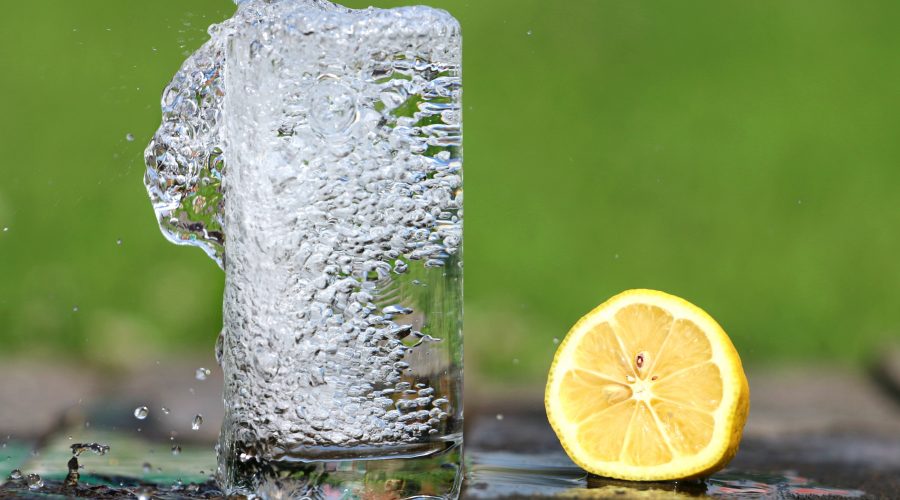
    You may have heard the phrase “You are what you eat”, yet rarely does anyone say “You are what you drink”. It’s a very accurate statement as you are composed of 60% to 70% water. Water is second only to air in importance for life. Water is an essential cornerstone of Wellness. Drink up!

    The Importance of Drinking Water
    Drinking water, either plain or in the form of other fluids or foods is essential to your health. Your body depends on water to survive. Every cell, tissue, and organ in your body needs water to work properly. Your body uses water to maintain its temperature, remove waste, protect your brain, improve digestion, increase metabolism, rejuvenate the skin and lubricate your joints. Water is needed for overall good health and is the single most important nutrient for our bodies.
    If you don’t maintain a steady supply of water to your organs, tissues and cells, they cannot perform correctly and this can lead to
    illness and disease. Starting your day with water gives your body the hydration it needs after resting from the night before. Sleep is the time of renewal for our body, so by starting off the day with water helps our body work more effectively.
    Most individuals lose between 10 and 16 cups of water per day through sweat, urine, digestive waste, exhaling and direct evaporation from your skin. The loss of water through urination can be greatly increased by drinking caffeinated and alcoholic beverages. These drinks have a diuretic effect by stimulating the kidneys. You then lose more water and vitamins, calcium, magnesium, potassium, sodium, chloride and zinc.

    Water has successfully helped many diagnosed diseases, e.g., peptic ulcers, colitis, hypertension, rheumatoid arthritis, chronic back and neck pain, anxiety, depression, chronic fatigue, high cholesterol, asthma, allergies and diabetes, with just increased and regular intake of water.

    Path to Improved Wellness
    You should drink water every day. Over the years, you have been told you should drink 6 to 8, 8-ounce glasses of water each day. That is a reasonable goal. However, different people need different amounts of water to stay hydrated. Most healthy people can stay well hydrated by drinking water and other fluids whenever they feel thirsty. A good rule of thumb for those who do want to measure water intake, is to divide your weight (pounds) in half and drink that number of ounces each day. For example, if you weigh 200 pounds you should drink 100 ounces of water per day. Water is best for staying hydrated. Other drinks and foods can help you stay hydrated. Eating water-rich foods add to the amount of water you get each day. Even caffeinated drinks, coffee, tea, and soda can contribute to your daily water intake however, it’s best to limit caffeinated drinks as it may cause you to urinate more frequently.

    Sports drinks can be helpful if you are planning on exercising at higher than normal levels for more than an hour. It contains carbohydrates and electrolytes that can increase your energy and helps your body absorb water. However, some sports drinks are high in calories from added sugar and may contain high levels of sodium (salt). Energy drinks are not the same as sports drinks. Energy drinks usually contain large amounts of caffeine, sugar and contain ingredients that overstimulate you (guarana, ginseng, or taurine). These are things your body doesn’t need…

    Some of the Reasons for Dehydration
    Even though you know you need to drink plenty of water per day you may not consider situations when you will need more water than usual. People who engage in outdoor physical labor during the summer tend to lose two to three liters of water due to perspiration throughout the workday. It’s also important to note that both children and older adults are more prone to dehydration than healthy teens and adults. People with certain chronic health conditions, such as diabetes, kidney disease, and congestive heart failure are also at risk of dehydration. Older adults often don’t get enough fluids and risk becoming dehydrated, especially during summer when it’s hotter and they perspire more. Older people don’t sense thirst as much as they did when they were younger and that could be a problem if they’re on a medication that may cause fluid loss, such as a diuretic. Which is why it is best to discuss the amount of ounces of water needed per day with the prescribing physician.

    How to Stay Hydrated
    The best way to ensure you stay hydrated is to make water the beverage you drink most often. While excessive consumption is possible, it is very difficult to drink too much water. By making sure you stay hydrated, you’ll feel sharper, perform better, have more energy, get more done, and give your body what it needs to help ensure better health. Not sure on just how much you need? keep a daily log of food and drink intake, makes notes on how you feel on each of these days. This way your log is available the next time you meet with your family physician.