Category: Holistic Approaches to Health

  • Water, Water Everywhere – Are You Drinking Enough? Part 1 of 2

    You may have heard the phrase “You are what you eat”, yet rarely does anyone say “You are what you drink”. It’s a very accurate statement as you are composed of 60% to 70% water. Water is second only to air in importance for life. Water is an essential cornerstone of Wellness. Drink up!

    The Importance of Drinking Water
    Drinking water, either plain or in the form of other fluids or foods is essential to your health. Your body depends on water to survive. Every cell, tissue, and organ in your body needs water to work properly. Your body uses water to maintain its temperature, remove waste, protect your brain, improve digestion, increase metabolism, rejuvenate the skin and lubricate your joints. Water is needed for overall good health and is the single most important nutrient for our bodies.
    If you don’t maintain a steady supply of water to your organs, tissues and cells, they cannot perform correctly and this can lead to
    illness and disease. Starting your day with water gives your body the hydration it needs after resting from the night before. Sleep is the time of renewal for our body, so by starting off the day with water helps our body work more effectively.
    Most individuals lose between 10 and 16 cups of water per day through sweat, urine, digestive waste, exhaling and direct evaporation from your skin. The loss of water through urination can be greatly increased by drinking caffeinated and alcoholic beverages. These drinks have a diuretic effect by stimulating the kidneys. You then lose more water and vitamins, calcium, magnesium, potassium, sodium, chloride and zinc.

    Water has successfully helped many diagnosed diseases, e.g., peptic ulcers, colitis, hypertension, rheumatoid arthritis, chronic back and neck pain, anxiety, depression, chronic fatigue, high cholesterol, asthma, allergies and diabetes, with just increased and regular intake of water.

    Path to Improved Wellness
    You should drink water every day. Over the years, you have been told you should drink 6 to 8, 8-ounce glasses of water each day. That is a reasonable goal. However, different people need different amounts of water to stay hydrated. Most healthy people can stay well hydrated by drinking water and other fluids whenever they feel thirsty. A good rule of thumb for those who do want to measure water intake, is to divide your weight (pounds) in half and drink that number of ounces each day. For example, if you weigh 200 pounds you should drink 100 ounces of water per day. Water is best for staying hydrated. Other drinks and foods can help you stay hydrated. Eating water-rich foods add to the amount of water you get each day. Even caffeinated drinks, coffee, tea, and soda can contribute to your daily water intake however, it’s best to limit caffeinated drinks as it may cause you to urinate more frequently.

    Sports drinks can be helpful if you are planning on exercising at higher than normal levels for more than an hour. It contains carbohydrates and electrolytes that can increase your energy and helps your body absorb water. However, some sports drinks are high in calories from added sugar and may contain high levels of sodium (salt). Energy drinks are not the same as sports drinks. Energy drinks usually contain large amounts of caffeine, sugar and contain ingredients that overstimulate you (guarana, ginseng, or taurine). These are things your body doesn’t need…

    Some of the Reasons for Dehydration
    Even though you know you need to drink plenty of water per day you may not consider situations when you will need more water than usual. People who engage in outdoor physical labor during the summer tend to lose two to three liters of water due to perspiration throughout the workday. It’s also important to note that both children and older adults are more prone to dehydration than healthy teens and adults. People with certain chronic health conditions, such as diabetes, kidney disease, and congestive heart failure are also at risk of dehydration. Older adults often don’t get enough fluids and risk becoming dehydrated, especially during summer when it’s hotter and they perspire more. Older people don’t sense thirst as much as they did when they were younger and that could be a problem if they’re on a medication that may cause fluid loss, such as a diuretic. Which is why it is best to discuss the amount of ounces of water needed per day with the prescribing physician.

    How to Stay Hydrated
    The best way to ensure you stay hydrated is to make water the beverage you drink most often. While excessive consumption is possible, it is very difficult to drink too much water. By making sure you stay hydrated, you’ll feel sharper, perform better, have more energy, get more done, and give your body what it needs to help ensure better health. Not sure on just how much you need? keep a daily log of food and drink intake, makes notes on how you feel on each of these days. This way your log is available the next time you meet with your family physician.

  • How Summer Can Affect Your Skin….


    Summer is here! And oh what a joy summer brings, the longer days, sunny skies. Time to hit the water and bask in the sun? Well, here is how summer can affect your hair and skin.

    Sun, sand, poolside fun—despite the fact that it no longer means two months off from school, summer is certainly a glorious time. Unpleasant as it may be, we still need to be aware of the negative effects that summer weather and activities can have on our skin and hair, and we don’t just mean piling on the SPF. Consider these variables and take necessary precautions, and you’ll have no problem getting through summer unscathed.

    Sun
    Sun isn’t quite the mortal enemy it’s sometimes made out to be (vitamin D, please!), but you certainly do need to make a strong effort to protect yourself against its damaging effects. It’s not the first time you’ve heard this, but sunscreen is a must. The higher the SPF the better, but the most important thing is that you reapply frequently, at least once every two or as directions state on the bottle. Reapplication is the only thing that stands between you and a killer sunburn and resultant sun damage. Exposure to harsh sunlight is also damaging to your scalp—yes, your scalp can get burnt, too—and can wreak havoc on colored hair. We love a good sun hat look, but we also recommend applying a scalp and hair-protectant.  Your local drug store or grocery store will carry an SPF spray for your hair. Such as Clarins SPF 30 Dry Oil Sunblock for hair and body as an example.

    Salt Water
    As you’ve probably gleaned from the abundance of sea salt sprays on the market, salt water isn’t all bad. In fact, it can be really beneficial for your skin—it helps to open pores and remove toxins, thereby sterilizing wounds and soothing skin irritations like itchiness and eczema, but lying in the ocean for too long can also exacerbate dryness, especially if you don’t replenish moisture afterward. Your hair can also take a real beating from overexposure, resulting in serious dehydration, dullness, and tangles. Saturating hair in a leave-in conditioner before you take a dip can help to ward off damage by filling the hair’s cuticle, preventing it from absorbing too much salt water, and always be sure to hit the shower after the beach for a thorough shampooing and deep conditioning treatment.

    Chlorine
    Kind of like salt water, chlorinated water can be incredibly drying and irritating… without the beneficial properties of salt water. Consider that chlorine is used in pools to disinfect and kill bacteria, and its harmful effects start to make a little more sense. As such, it completely strips your skin and hair.  For your hair, you can coat it in tap water or leave-in conditioner prior to heading into the pool to create a barrier, but it’s important to also shampoo and condition afterward—if you can use a specialized shampoo meant to purge the hair of chlorine, even better. Bottle blondes beware: Everything you’ve heard about chlorine turning your hair green is true, so avoid submerging your head as much as possible. Chlorine can also be wildly drying to skin, even resulting in a rash, so head straight to the shower for a good rinse as soon as you can after getting out of the pool, and don’t forget to moisturize!

    For more information on overall wellness, please contact:
    Key West Wellness Center – Dr. Ashley Hoyt
    Your Clinic of Alternative Medicine, (305) 296-5358
    Contact@KeyWestWellnessCenter.com


  • Mobilizing the Hip Joint

    mobilize hip joint

    This week, we feature a friend of Dr. Ashley Hoyt’s Key West Wellness Center, Dale Alexander.

    ____________________________________________________________________________________________

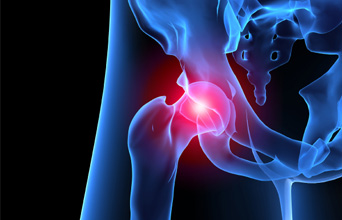
    The hip joint is most often characterized as a ball and socket joint. The problem with the human hip is that the head of the femur bone (the ball) very often slides backward and starts riding the edge of its socket. Over the years, this wears a flat spot into the normally spherical shape of the femoral head. Also, when this slide occurs, it pulls on the tendon of a crucial muscle that moves the thigh forward when we walk. Again, over many years, this compresses the artery that feeds the femoral head. 

    These brief descriptions are the two most common reasons that people end up getting a hip replacement, osteoarthritis and avascular necrosis. The motion within a healthy hip joint is characterized by its ability to “roll and spin.” When the femoral head slips backward, these normal motions become less. 

    What appears to have eluded many is that the other end of the femur bone is where the 

    nibby knobs interface with depressions in the bone of the tibia, the (femoral condyles) and the (tibial plateaus). Together these moving surfaces comprise the knee joint. Most often when the femoral head slides backward, it also twists. This twist is communicated down the length of the bone influencing the tracking function between the opposing surfaces of the knee joint. 

    How the knee works is to twist between these surfaces to unlock the joint allowing it to bend and the thigh and leg to move forward. Then as a person’s heel and foot come down and pushes off and forward, the nibby knobs need to have twisted back into their originally locked position for one to have power in their stride and “pep to their step.”

    As you might already imagine, if the entire femur bone is twisted from above, then the tracking of the knee joint will be affected. Compression and friction result. Arthritic changes are the outcome. Often calcium salts will build up and you both feel and hear the grinding within the knee joint. The same elements of compression and friction are what erode the hip joint’s function resulting in pain and loss of motion in either the knee or the hip.

    Sadly, women have almost double the number of knee replacements and slightly more hip replacements than men. This is usually explained by the fact that the female pelvis is wider to allow for childbirth, thus they have more of an angle between the two ends of the femur bone by the time they reach childbearing maturity.

    Nature simply has not been fair. It serves its purposes by selecting for physical traits that maximize its species ability to survive and thrive. 

    Early detection of hip or knee degeneration is essential. If you have a “hitch in your get a long” or pain while walking, you need to seek treatment and/or orthopedic evaluation.

    Please see Dr. Ashley Hoyt or myself. If we are unable to to assist you then we will refer you to a physician we trust.

    _________________________________________________________________________________________

    Dale G. Alexander Ph.D. L.M.T. has had a Clinical Massage Therapy practice in Key West, Fla. for 35 years now. In 1983 he was hit head-on by a drunken driver along the 18 mile stretch going south toward Key Largo at Jewfish Creek Bridge. Among many injuries, his right hip was shattered. Very soon after rehabilitating his injuries, clients began showing up in increasing numbers that had varying stages of hip, knee, and shoulder degeneration. Dale invites anyone who has a chronic problem with any of these joints to call him for a free consultation. You may access his published articles on this subject at www.massagetoday.com. Click on columnists, then on his name. And, visit his website, www.dale-alexander.com to review his extensive training history and to appreciate the broader scope of the people he has helped.


    If you have questions about how acupuncture can help heal your injuries, book an appointment with Dr. Ashley Hoyt today.